India vs Zimbabwe T20I 2026: Shreyas Iyer Captains Three-Match Harare Series Starting 23 July
India open a compressed three-match men's T20I assignment against Zimbabwe in Harare on 23 July 2026, with Shreyas Iyer leading the side and Tilak Varma named vice-captain. For fantasy managers, the window is tight: three fixtures in four calendar days, one venue, and a 15-man squad that mixes fresh senior call-ups with a captain still building results after a difficult start in Ireland and England.
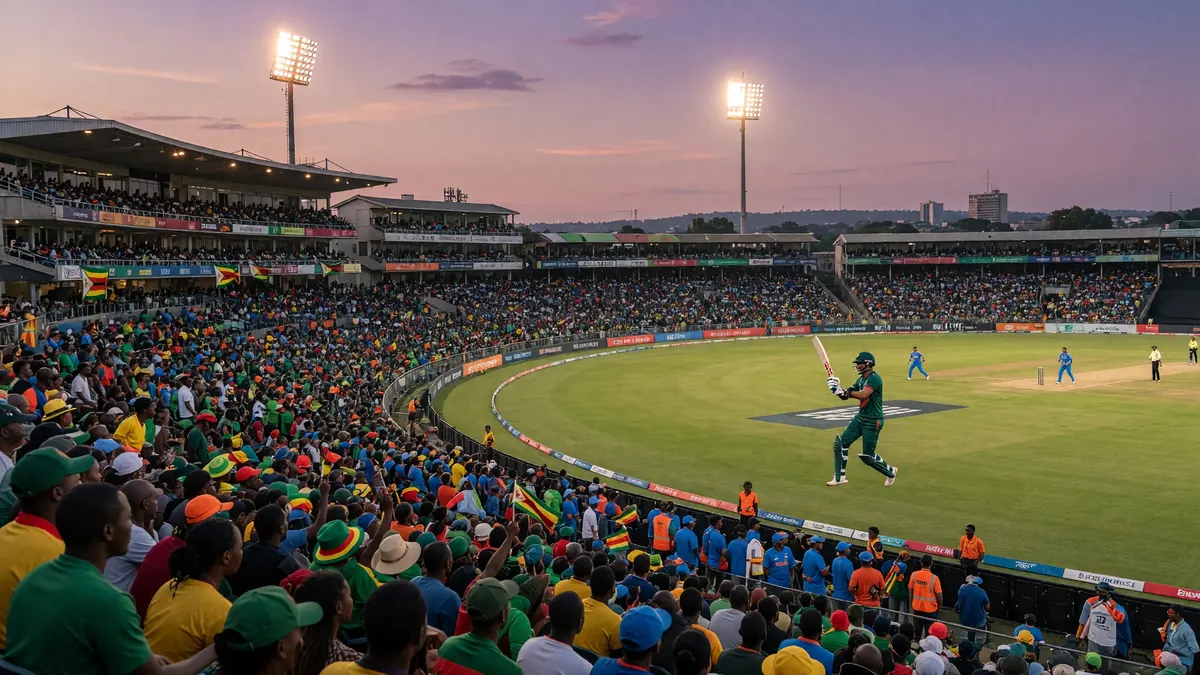
The Board of Control for Cricket in India has locked a 15-member party for the trip. Maiden senior call-ups for Prabhsimran Singh, Yash Thakur and Ashok Sharma sit alongside Harsh Dubey's first T20I selection, while 15-year-old Vaibhav Sooryavanshi keeps his place after becoming India's youngest international cricketer during the England leg. Sanju Samson, Axar Patel, Arshdeep Singh and Harshit Rana are among those left out. Ravi Bishnoi steps in for the injured Varun Chakaravarthy.
Zimbabwe will be captained by Sikandar Raza. Across men's T20Is the sides have met 14 times, with India winning 11 and Zimbabwe three; India also beat Zimbabwe by 72 runs at the T20 World Cup 2026. The short Harare series is therefore less about rewriting the head-to-head ledger and more about how Iyer's group settles batting and bowling roles across a compressed afternoon slate.
Why a four-day Harare block changes contest planning
Most bilateral T20 tours leave at least a rest day between games. This one stacks Thursday, Saturday and Sunday fixtures at the same ground. That pattern matters for anyone locking XI selections: form signals from the first match feed directly into the second with only one intervening day, and the third game arrives 24 hours after the second. There is little room for slow reaction to a surprise opener, a mid-series promotion, or a bowler who suddenly owns a middle-overs spell.
Because every fixture is in Harare, venue variance collapses. Pitch behaviour, boundary size and outfield pace become series-long variables rather than match-to-match resets. Managers who treat the three games as a single micro-series—rather than three isolated slates—will make cleaner captain and bowling-attack decisions once the first ball is bowled on 23 July.
Iyer's early captaincy ledger adds context without rewriting the fixture list. India lost 2–0 in Ireland and were whitewashed 4–0 in England, with one England match washed out. A single-venue contest against Zimbabwe is a chance to stabilise combinations, not a guarantee of automatic results. Raza's side has enough batting depth and spin craft to punish loose death overs if India rotate poorly across the three matches.
Full IST schedule for the three Harare T20Is
All three matches are listed for a 4:30 PM Indian Standard Time start. Harare sits 3 hours 30 minutes behind IST, so first ball is in the early afternoon locally. That IST tip-off suits weekday office finishers for the opener and leaves a familiar weekend window for the Saturday–Sunday pair.
| Match | Date (2026) | Day | Start (IST) | Venue |
|---|---|---|---|---|
| 1st T20I | 23 July | Thursday | 4:30 PM | Harare |
| 2nd T20I | 25 July | Saturday | 4:30 PM | Harare |
| 3rd T20I | 26 July | Sunday | 4:30 PM | Harare |
Mark the lock deadlines against those start times rather than against vague “evening” labels. A 4:30 PM IST first ball usually means final XI edits close in the mid-afternoon India window—earlier than many IPL night games—so last-minute toss reads need to be ready sooner than a 7:30 PM habit allows.
The Saturday–Sunday pair is the pressure stretch. Any player who bowls ten demanding overs or bats through a sticky chase on Saturday faces a quick turnaround. Expect India to manage workloads inside the 15, which is why knowing the full travelling party—and who is already outside it—matters before the series begins.
Leadership group and the 15 named for Zimbabwe
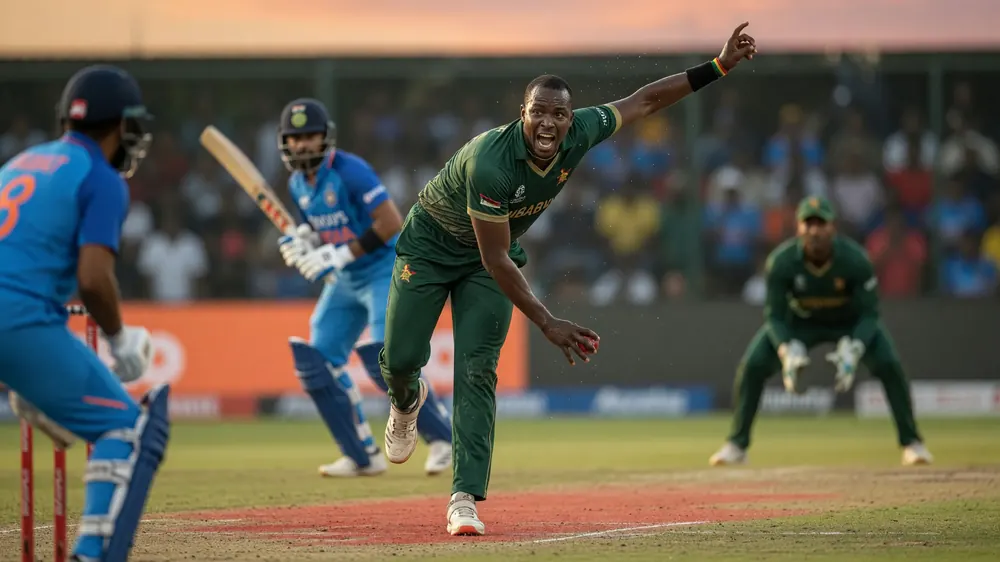
Shreyas Iyer captains; Tilak Varma is vice-captain. That pairing frames both the dressing-room hierarchy and the middle-order spine fantasy managers will price first. Varma's dual role as deputy and middle-order batter makes him a high-minute candidate across a short tour unless fitness intervenes.
The BCCI's 15 includes three players receiving their first senior India call-ups: wicketkeeper-batter Prabhsimran Singh, and pacers Yash Thakur and Ashok Sharma. Left-arm spinner Harsh Dubey earns a first T20I call-up. Those four names are the clearest “minutes uncertain, upside real” group on the sheet. Debutants can sit unused for two games and then walk into a dead-rubber or injury replacement XI—or open the series if selectors want an early look.
Vaibhav Sooryavanshi, still 15, retains his place after the England assignment where he became India's youngest international cricketer. Continuity for a teenage batter on a second successive tour is unusual and signals genuine selection intent rather than a one-off cameo. Whether he opens, finishes, or rotates will be one of the first questions answered on 23 July.
Equally important is who is not travelling. Sanju Samson, Axar Patel, Arshdeep Singh and Harshit Rana have been left out. That removes a proven T20 gloveman-batter, a premier spinning all-rounder, and two left-arm/ seam options who regularly feature in India white-ball plans. Fantasy pools built on those four names need a hard reset for this series; ownership templates from the England or Ireland legs will not transfer cleanly.
Bowling ledger: Bishnoi in, Chakaravarthy out
Ravi Bishnoi replaces injured Varun Chakaravarthy. The swap is not cosmetic. Chakaravarthy's unbroken spell craft and hard lengths have been a tactical pillar in recent T20 cycles; Bishnoi brings a different googly-led wicket threat and a slightly different fielding package. Against Zimbabwe's right-hand heavy middle order, the leg-spin matchup still has value, but over rates, powerplay usage and death overs may be redistributed among the remaining quicks and Dubey.
With Arshdeep and Harshit Rana outside the 15, the new-ball and death pecking order likely runs through whoever among the retained pacers—and the newly capped Thakur and Sharma—earns Iyer's trust in the first hour on Thursday. Two debutant seamers on a short tour often means one plays and one carries drinks until a workload spike or a surface screams for fresh legs. Track warm-up mentions and net reports if they appear closer to the toss; until then, price confirmed names ahead of speculation.
Zimbabwe under Sikandar Raza
Sikandar Raza leads the hosts. Raza's own all-round profile—middle-order hitting plus off-spin—makes him the opposition player most likely to swing a single contest, especially in a home series where he can bowl in the phases he chooses. India hold a clear historical edge (11–3 in men's T20Is from 14 meetings) and recently beat Zimbabwe by 72 runs at the T20 World Cup 2026, yet bilateral cricket at Harare is not a World Cup knockout. Home conditions, a rested core and a packed schedule can compress margins that look wide on paper.
For India-focused fantasy formats that still allow opposition players, Raza is the first Zimbabwe name to check after the toss. For India-only contests, the takeaway is simpler: do not assume a free-hitting surface solely because the head-to-head favours the visitors. A 72-run World Cup win is one data point; three T20Is in four days will produce their own scoring pattern.
Where to watch in India: streaming and telecast
Indian audiences can follow live streaming on FanCode. Live telecast is listed on Unite8 Sports TV, with an additional free-to-air path on DD Sports via DD Free Dish. That three-path split covers paid streaming, a sports cable/satellite channel, and a Free Dish option for viewers who want the series without a premium bundle.
If you build teams while watching, test your stream a few minutes before the toss window on 23 July. A 4:30 PM IST start can collide with weekday bandwidth peaks; having the telecast channel tuned as backup avoids missing the final XI graphic. Official broadcast partners can still issue late technical notes, so treat the outlets above as the confirmed baseline reported with the squad announcement rather than a minute-by-minute EPAG schedule.
Fantasy checklist for the three-match window
Prioritise confirmed roles over reputation. Iyer and Varma sit at the centre of batting construction; Sooryavanshi's retention makes him a live differential if he is pushed up the order; Prabhsimran is the gloveman-batter most likely to absorb minutes that previously sat with Samson. On the ball, map Bishnoi's overs before chasing pure pace points, and be ready for one of Thakur or Sharma to debut if India want a different hard-length look.
Use the schedule shape. After the Thursday opener, re-price anyone who bowled out or batted long before locking Saturday. After Saturday, be ruthless on Sunday—back-to-back games punish blind loyalty to a fatigued death bowler. Keep a small core of three or four “series anchors” and rotate the edges; that approach fits a single-venue mini-series better than full squad churn every match.
Ignore narrative noise that is not on the team sheet. The Ireland reverse and England whitewash explain why this tour carries weight for Iyer's leadership story, but they do not assign fantasy points. What assigns points is who walks out at Harare at 4:30 PM IST on 23, 25 and 26 July. Stick to named players, named omissions, and the broadcast window that lets you react at toss. Do not build plans around night dew or floodlit swing: the published IST tip-off puts first ball in the early afternoon in Harare, so base roles and bowling shares on confirmed XI notes rather than assumed evening conditions.
For wider match-week reading beyond this series brief, browse the latest cricket coverage on Possible11 News once additional desk notes are filed.
What to watch before the first ball
The immediate checkpoint is Thursday, 23 July 2026, 4:30 PM IST in Harare—the first of three T20Is under Iyer against Raza's Zimbabwe. Toss, the first XI graphic, and whether any of the four uncapped or newly capped names start will set the template for Saturday and Sunday. Until those cards are shown, the verified frame remains simple: one city, three games, a reshaped 15, and clear India-facing broadcast options on FanCode, Unite8 Sports TV and DD Sports via DD Free Dish.