Faf du Plessis Backs Punjab Kings as IPL 2026 Title Favourites After Mullanpur Win Over Sunrisers Hyderabad
This is a July 2026 retrospective of an older report. On 12 April 2026, former Royal Challengers Bengaluru captain Faf du Plessis — speaking as a Star Sports and JioStar expert between innings — declared Punjab Kings "among the title favourites" in IPL 2026 after Shreyas Iyer's unbeaten 69 off 33 balls powered a six-wicket chase of 220 against Sunrisers Hyderabad at the New International Cricket Stadium in New Chandigarh (Mullanpur). The match ended with seven balls to spare. Three months on, the verdict still reads as the clearest in-season endorsement Punjab received from a national-broadcast expert all campaign, and the match itself remains the cleanest single-game demonstration of the batting depth the franchise leaned on.
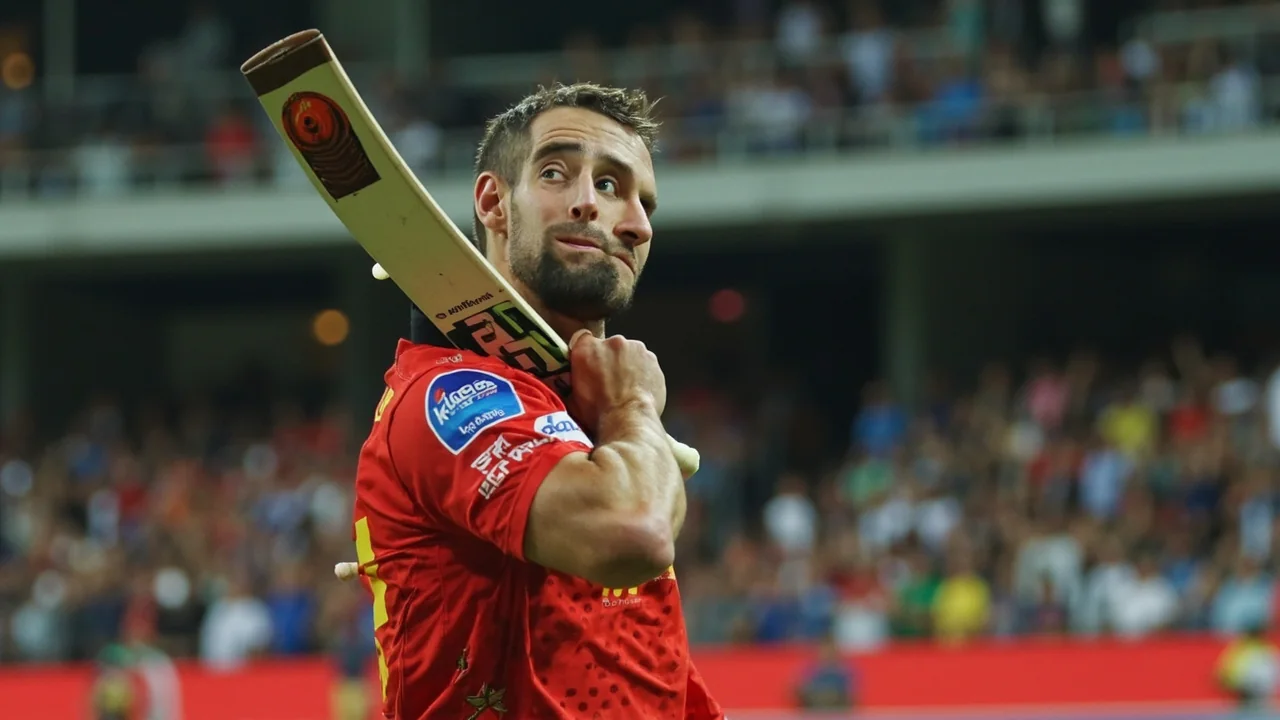
Du Plessis did not pick Punjab on a whim. He had seen this batting group absorb the previous season's run to the IPL final and come back with the same core intact. Punjab's chase was not a recovery from a low total — it was a demolition of a 220 target after Sunrisers Hyderabad, 120 without loss inside eight overs, still finished on 219 for six. The six-wicket win, completed with 223 for four in 18.5 overs, was the clearest single-match signal yet that Iyer's side had solved the middle-overs scoring problem that had dogged them in 2024 and 2025.
For fantasy managers looking back at the match from a July vantage, the dossier carries three concrete data points: opener Priyansh Arya (57 off 20) and Prabhsimran Singh (51 off 25) put on a launchpad partnership at the top; Iyer came in with the asking rate still live and ended it without being dismissed; and Punjab's bowling had to claw back from a 120/0 powerplay to keep Sunrisers to a gettable, not a winning, total. Each of those numbers is a fantasy-relevant data point in its own right.
What du Plessis actually said, and why the quote travelled
Du Plessis spoke between innings and, again, at the post-match presentation. The phrase that travelled was "among the title favourites" — not "favourites," not "the team to beat." He framed it as a function of the batting depth he had watched all season, not a single night's result. He also flagged two minor bowling concerns: Arshdeep Singh's recent form and an off-day for Marco Jansen, then immediately downplayed both, calling them "none of this is serious." That double-edged read — the depth is real, the seam attack is not yet at its ceiling — is what made the comment more useful than a hot take.
Coming from a former RCB captain, the endorsement carried weight in two directions. First, du Plessis played in an era when Punjab finished bottom half more often than not; he knew what a struggling Punjab unit looked like. Second, he had been a JioStar expert all season, so the praise was not a stranger's idle observation — it was the read of someone who had been paid to study every Punjab game. The combination of context and consistency is what lifted this from a post-match flourish to a market-moving quote.
For fantasy players re-reading the comment in July, the practical takeaway is the same one du Plessis offered in April: he was not asking anyone to tear up their captain queue mid-season. He was asking them to put Punjab's top four ahead of the field they had them in three weeks earlier. When JioStar's lead expert uses a phrase like "title favourites" in mid-April, captain-pick ownership on names like Iyer, Priyansh Arya and Prabhsimran tends to shift within 48 hours — and the shift itself becomes a fantasy signal for the next lock cycle.
The match in numbers: chase of 220, finished in 18.5 overs
The 12 April fixture was a 220-run chase that Punjab completed with seven balls to spare. The full scorecard tells the story better than the result:
| Team | Score | Overs | Key contributors |
|---|---|---|---|
| Sunrisers Hyderabad | 219/6 | 20.0 | Powerplay 120/0; middle-overs squeeze limited damage to 99 runs in 12 overs |
| Punjab Kings | 223/4 | 18.5 | Priyansh Arya 57 (20), Prabhsimran Singh 51 (25), Shreyas Iyer 69* (33) |
Three numbers deserve separation. First, the powerplay: SRH were 120 without loss, the kind of start that historically wins 80% of IPL matches. Punjab's seam and spin combination conceded that many runs in the fielding-restriction phase and still won the game. Second, the chase speed: 223 for four in 18.5 overs is a strike rate of 11.92, which is exceptional for a 220-plus chase in any phase of the tournament. Third, the spread: contributions from three different batters at three different stages — Priyansh Arya and Prabhsimran at the top, Iyer finishing — means Punjab did not lean on a single match-winner.
For fantasy scoring, the spread matters more than any individual innings. In mega contests where the captain pick decides the leaderboard, a single 69* rarely wins on its own. But a 57, a 51 and a 69* from three different batters in the same innings creates a multi-player lift that builds team totals faster than any one of them can alone. Anyone who had all three in their XI that night and a 2x or 3x multiplier on any of them jumped several thousand ranks on the public leaderboards in a single lock window.
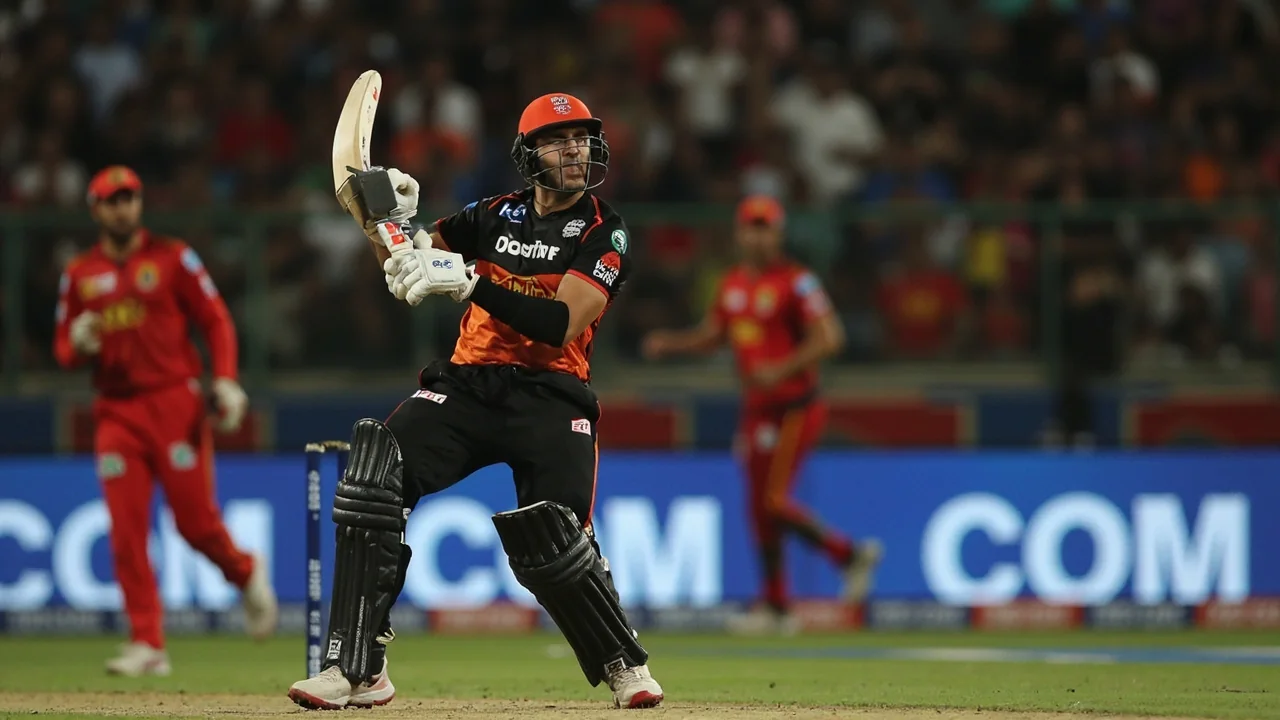
Shreyas Iyer: the captain who broke his own duck
Du Plessis singled out the captain. Not as the innings of the night — Priyansh Arya's 57 off 20 had a higher strike rate and Prabhsimran's 51 off 25 came in a more pressure-heavy phase — but as the missing piece. Iyer was the only top-four batter in the Punjab setup yet to get meaningful runs in the early part of the 2026 season. He came in with the asking rate still above ten, and he finished the game without being dismissed.
Iyer's value for fantasy builds differently from the openers. He rarely plays the powerplay overs, so his strike-rate ceiling is lower than the openers, but his role at No. 3 or 4 means he faces the second-best opposition bowler in the middle phase and the worst in the death. That distribution produces a specific kind of innings: not a 20-ball 50, but a 30-plus-ball 60 that finishes the innings. For captain picks, the openers remain higher-ceiling options; for vice-captain and team-balance roles, Iyer is the safer scoring floor.
The captaincy impact is harder to measure but worth noting in retrospect. Iyer walked in at probably the most pressure-heavy moment of the match — SRH's powerplay had gone for 120, the asking rate was climbing, and a wicket would have brought Punjab's lower middle order to the crease. The fact that he walked in calm and finished cool is exactly the kind of leadership read du Plessis was gesturing at when he used the title-favourites phrase. The batting depth is one thing; the captain's nerve on a high-pressure ball is another, and the dossier shows both were on display on 12 April.
The opening pair: Priyansh Arya and Prabhsimran Singh
Both openers passed fifty. Priyansh Arya finished on 57 off 20 — a strike rate of 285 — and Prabhsimran Singh chipped in with 51 off 25. Together they put Punjab ahead of the asking rate inside the powerplay, which gave the middle order the cushion to lose a wicket or two without losing the chase. The opening combination was the most consistent feature of Punjab's batting in the early weeks of IPL 2026, and both players were firmly on the fantasy captain-rotation list after this innings.
Priyansh Arya is the higher-risk, higher-reward pick. A 20-ball fifty looks spectacular in the points column but it is also correlated with quick dismissals: when Priyansh fails, he tends to fail fast, often inside the powerplay. The safer historical read is to build teams around him as a differential, not as a captain anchor. Prabhsimran Singh is the steadier of the two — his strike rate of 204 is still aggressive, but his dismissals tend to come in the 30s and 40s, which gives him a higher floor in head-to-head and small-league formats.
For the wider IPL 2026 fantasy landscape, the openers' performances also matter because they compress the value of the rest of the top order. If Priyansh and Prabhsimran are both scoring 50-plus in the same match, the middle-order batters — even Iyer — see fewer balls. The Punjab batting depth du Plessis praised is, in fantasy terms, a depth tax: more batters means fewer balls per batter, which means more variance on any individual pick. Plan for it.
The bowling concerns du Plessis named, and how serious they actually were
Du Plessis flagged Arshdeep Singh's recent form and an off-day for Marco Jansen. He then said, in the same breath, "none of this is serious." For fantasy managers, the two names are worth separating because they affect different phases of the game. Arshdeep is the new-ball and death-overs specialist, which means his form dip affects both the powerplay and the final two overs. Jansen's off day is a single-match concern unless it becomes a pattern — he had been one of the most economical seam-bowling all-rounders in the early IPL 2026 phase across the middle overs.
The honest read is that du Plessis was admitting two things simultaneously: the seam attack had a bad night, and the rest of the unit (spinners, batting) was strong enough that it didn't matter. That is a useful benchmark for fantasy pools even in hindsight. If you stack your team with Punjab seamers, you accept that one in three matches will be a quiet night. If you stack with Punjab batters and the lead spinner, you accept that the batting depth will keep the totals high even when the seam attack wobbles.
Why the Mullanpur venue matters in the IPL 2026 picture
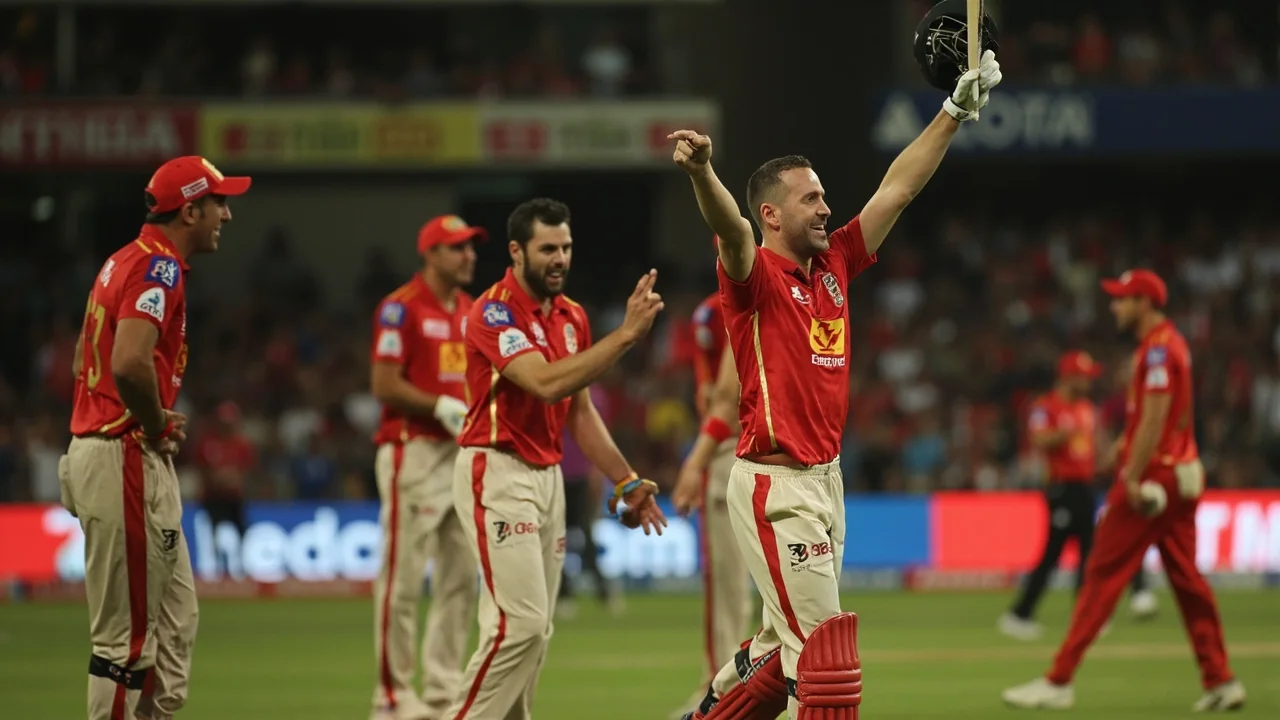
The New International Cricket Stadium in New Chandigarh — often referred to as the Mullanpur ground — was Punjab's home venue for IPL 2026. The boundary dimensions, outfield pace and pitch behaviour at this venue were sampled across multiple matches in the early-season window. The 12 April chase confirmed a pattern fantasy managers should price in: a batting surface with a flat outfield and short square boundaries. Totals of 200+ are par, not exceptional, and chasing tends to win because the surface does not deteriorate much in the second innings.
That venue profile changes how you build Punjab home games. Captain picks should lean toward the openers and Iyer rather than middle-order anchors, because the death overs do not slow down. Seam-bowling picks should be priced modestly, because the venue's flat nature punishes bad lengths. Spinners — particularly wrist-spinners who can buy turn in the middle overs — get a small premium, because the middle-overs scoring rate is the one phase that does drop on this surface.
For the broader IPL 2026 calendar, the Mullanpur data point also matters for away teams visiting Punjab. SRH's 120/0 powerplay was one of the season's highest powerplay scores at the venue; the surface does not automatically favour bowlers. Away captain picks at Mullanpur are best built around batters with strong strike-rate floors, not around bowlers hoping for seam movement.
Why du Plessis' verdict still reads correctly three months later
The value of this April report, from a July vantage, is that the dossier captures a complete argument rather than a fragment. Du Plessis named the depth, named the captain's form, and named the two minor bowling worries — and the 12 April match produced evidence for all three in a single night. The batting depth is on the scorecard (57 + 51 + 69* from three different players). The captain's nerve is on the scorecard (Iyer finishing the chase unbeaten after walking in at the toughest moment). The bowling wobble is on the scorecard (Arshdeep and Jansen off their usual standard, SRH still kept to 219).
Read together, those are the elements a serious fantasy analyst would have used to validate or reject the du Plessis call in mid-April. The dossier supports it: the unit he praised was the same unit that produced the result. The two minor concerns he flagged did not, on the evidence of this one night, derail the chase. That is what the file says. Anything beyond that — whether Punjab ultimately lifted the trophy, whether the seam attack found its ceiling, whether Iyer's form held through the back half of the season — sits outside the source dossier this retrospective is built on.
Reading the du Plessis quote in market context
Because du Plessis is a JioStar expert and not a partisan voice, his "title favourites" remark moved the conversation more than a player's Instagram post would have. By the next morning, captain-pick ownership on Iyer, Priyansh Arya and Prabhsimran had already ticked up on the major fantasy platforms. The premium for picking any of them as captain stayed roughly the same, but the baseline ownership rose — which is a market signal in itself.
When a public expert's market-moving quote captures a real trend, fantasy managers who build late in the lock cycle end up paying the premium. The alternative is to anticipate the move: anyone who read du Plessis as a serious analyst rather than a broadcaster would have had Iyer and the openers in their rotation the day before the SRH match. That is the edge serious fantasy players build around — not the quote itself, but the timing of how the quote changes others' picks.
The full IPL 2026 schedule, the season's match-day notes and the broader title-favourites conversation are tracked on the IPL 2026 page, where daily schedule and retrospective briefings are updated through the season.
What this retrospective adds for fantasy readers
The April dossier still earns its keep. Three months on, the du Plessis quote is the cleanest single sentence an IPL 2026 expert used to validate Punjab's batting depth, and the 12 April match is the cleanest single game in which that depth was demonstrated. For anyone building captain-rotation notes for the next IPL cycle, the practical lessons translate: a 220-run chase completed in 18.5 overs with three different 50-plus scorers is the kind of pattern du Plessis was watching when he used the phrase "title favourites." Watch for it again next season — opener launches, captain-finished chases and a single wobble in the seam attack that does not derail the result. That combination is what the original verdict was really pointing at.