 Possible11
Fantasy Cricket App KYC, Withdrawals and Responsible Play for Beginners: A Clear Starting Point
Operators who deposit first and verify later often discover the cash wallet is still locked when a payout finally appears. Identity checks, bank-name matching, state eligibility and spend controls sit between signup and usable money. Treat those four gates as one stack and the India fantasy cricket app journey becomes predictable instead of reactive.
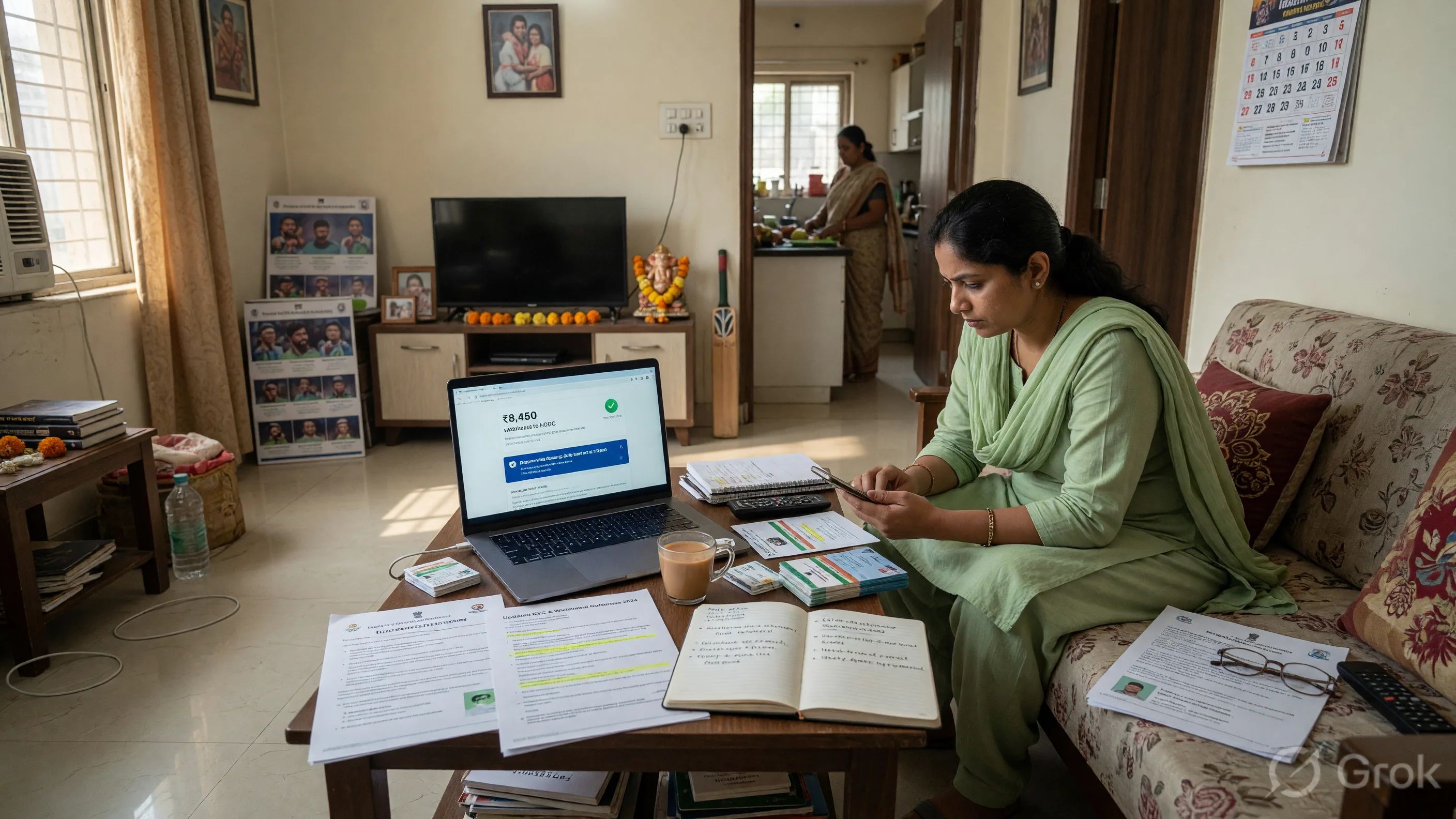
The real decision is not “which contest” — it is “which gates unlock cash”
Beginners usually start with team selection. Operators who manage real money should reverse the order. Before a lineup matters, four product gates decide whether a balance is usable: KYC identity clearance, withdrawal rail matching, responsible-play limits, and state or age eligibility under Indian fantasy rules. Miss any one and a winning balance can sit on-screen while remaining unreachable.
The durable thesis is simple. An India fantasy cricket app is safest to evaluate as a payments-and-compliance product first and a contest product second. Squad quality still decides points. Identity quality, bank ownership and self-set limits decide whether those points ever become withdrawable cash. That ordering is the clearest starting point for new operators.
Strongest evidence: KYC is a cash unlock, not a formality
KYC is the identity layer that ties a mobile number to a legal person and a tax identity. On Indian fantasy products the usual stack is government ID, permanent account details and a live face check. Alternate photo IDs may substitute for the primary national ID in some flows, but the tax identity is rarely optional once real-money withdrawals are involved.
What changes after clearance is operational, not cosmetic. Deposit and contest entry often work before verification finishes. Withdrawal almost never does. Many wallets split contest credit from cash credit, so bonus balances can keep moving while the cash side stays locked. Operators who wait until a large win to open the verification panel add the full review window on top of any first-payout hold.
Name matching is the highest-friction detail. Automated systems compare the ID name string with the tax identity and later with the bank or UPI beneficiary name. Extra initials, missing middle names, reverse name order and script differences between regional ID text and English tax records are common rejection causes. The practical fix is boring and effective: align the strings before upload, photograph documents on a flat surface in even light, and complete any ID-to-tax linking on the official government portals before starting the in-app flow.
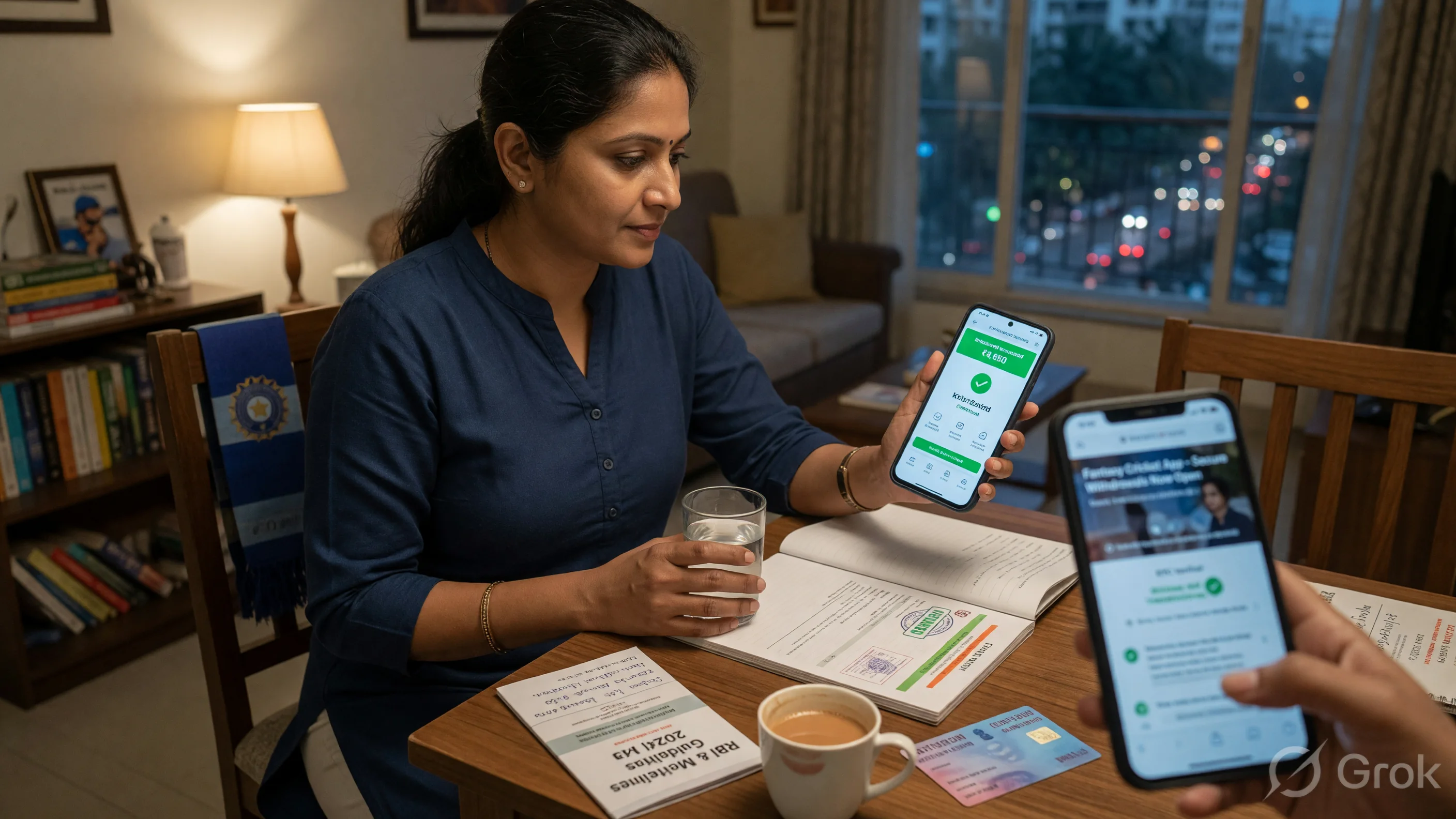
Withdrawal rails: the second gate after identity
Clear KYC does not automatically mean instant cash-out. Withdrawal is a separate pipeline with its own matching rules. The beneficiary bank account or UPI handle generally must carry the same legal name approved in KYC. Third-party accounts are a standard block. First withdrawals may also face an extra security review even after identity is green.
Operators should read three fields before trusting a “fast withdrawal” claim: minimum payout amount, per-day ceiling, and which balance types are eligible. Contest credit, locked bonus and withdrawable winnings are not interchangeable. A balance that looks large in the app can still be mostly non-withdrawable if it sits in promotional wallets. The useful habit is to check the wallet breakdown, not only the headline number on the home screen.
Timing language also needs a careful read. Marketing lines about speed usually describe the post-approval transfer window, not the combined time of KYC review plus first-payout hold plus bank processing. A durable operating rule is to finish identity work on signup day, attach the correct personal payout rail immediately after clearance, and treat the first successful small withdrawal as the true product test.
Responsible-play controls are product features, not optional extras
Responsible gaming tools sit beside KYC and withdrawals because they change the operator’s exposure before a bad week compounds. Useful controls on a mature India fantasy cricket app typically include deposit caps, loss or entry limits, session reminders, cool-off periods and longer self-exclusion. These are not decorative badges. They are hard product brakes.
The overlooked risk for beginners is sequencing. People often discover limits only after a losing streak. Setting a weekly deposit ceiling and a session reminder before the first paid contest is the lower-risk order. Cool-off is the short brake for a rough weekend. Self-exclusion is the longer brake when the product is no longer fun or when spending stops matching a written budget.
Responsible-play design also interacts with withdrawals. Some products restrict new deposits during cool-off while still allowing legitimate cash-out of already settled winnings, subject to verification. Others freeze broader account actions. Operators should read the exact behaviour in the safety or profile menu rather than assuming every control works the same way across apps.

Regulation-aware checks without treating headlines as law
Indian fantasy operators work inside a shifting compliance environment: age gates, state-level availability, advertising standards, tax identity expectations and anti-money-laundering pressures on real-money products. Exact statutes and court outcomes change over time, so an evergreen guide should not invent a current legal status for every state. What remains stable is the operator checklist.
Before depositing, confirm that the product is offered to your state and that you meet the 18+ rule. Prefer official app-store or first-party install paths over unknown APK mirrors. Read whether the product positions itself as skill-based fantasy sports and how it describes restricted geographies. Keep personal records of deposits, withdrawals and verification emails. Those records matter if a payout is delayed or an account review opens later.
A second durable point: public policy talk is not the same as the terms inside your installed build. Feature labels, state blocks and verification prompts can differ by version. When an app update changes a safety menu or a KYC prompt, re-check the live screens rather than relying on memory from an older install.
Counterpoint: “I only play small, so checks can wait”
The common counterpoint is that low stakes make early verification unnecessary. Small entries can still create a withdrawable balance. They can also create a habit loop that outruns a vague budget. Waiting does not reduce compliance friction; it concentrates that friction on the day you finally want money out.
There is a narrower version of the counterpoint that holds. If someone is only browsing contests, reading rules and building unpaid practice teams, delaying KYC is reasonable. The moment a deposit is planned, the stack should move earlier. The cost of preparing documents once is lower than the cost of a rejected payout after a busy match week.
Step-by-step process before the first paid contest
- Confirm eligibility. Check age, state availability and that you are installing from a trusted source.
- Prepare identity materials. Align ID and tax-identity names, gather clear document images, and be ready for a live face check.
- Create the account and open KYC immediately. Do not wait for a win. Start the review while the contest wallet is still empty or lightly funded.
- Attach a personal payout rail. Use a bank account or UPI ID in the same legal name approved during KYC.
- Set responsible-play limits. Choose a weekly deposit ceiling and a session reminder before the first paid entry.
- Fund a modest first deposit. Prefer an amount that still feels acceptable if a full slate goes poorly.
- Run a tiny withdrawal test after clearance. A small successful payout teaches more than any banner about speed.
- Only then scale contest size. Increase exposure after identity, rails and limits have all been proven in your own account.
Next-step checklist operators can reuse
Identity ready
ID image legible, tax identity available, names matched, live selfie conditions planned.
Payout ready
Personal UPI or bank account owned by the same person, minimum payout rule understood.
Safety ready
Deposit cap, reminder and cool-off path located in the profile or responsible-play menu.
Regulation ready
State and age eligibility confirmed; install source trusted; terms skimmed for geo and KYC rules.
Common mistakes that freeze money or raise risk
- Deposit-first sequencing. Funding before KYC turns every later rejection into a delayed cash event.
- Third-party payout rails. Using a relative’s UPI or bank account is a frequent hard block after winnings appear.
- Ignoring wallet splits. Treating bonus credit as cash leads to false expectations at withdrawal time.
- Skipping self-limits. No deposit ceiling converts a short losing run into an unplanned budget breach.
- Blurry documents. Cropped PAN corners, glare on plastic cards and gallery selfies instead of live capture slow reviews.
- Assuming one app’s rules apply everywhere. Feature names look similar; exact holds, limits and state blocks differ.
Hypothetical examples that show the mechanism
Example A — delayed KYC. An operator deposits on Friday, enters weekend contests, wins a modest cash balance on Sunday night, then opens verification with mismatched name spellings. The balance remains visible while review and any first-payout hold stack on top of each other. The missed variable was not captain choice; it was identity timing.
Example B — matched stack. Another operator finishes KYC on signup day, links a same-name UPI handle, sets a weekly deposit ceiling, and only then funds a small contest slate. A later winning balance moves through a familiar rail because the hard gates were already green. Contest variance still exists, but operational surprise does not.
These examples are illustrative patterns, not promises of timing, approval or returns. Product queues, bank rails and manual reviews vary. The useful lesson is the order of operations, not a guaranteed clock.
Limitations of this explainer
This is a durable framework, not a live compliance bulletin. It does not quote current statute text, court orders, fee tables, approval-time averages or promotional codes. Individual app menus differ. State availability can change. Document rules can be updated inside an app version without a public news cycle. When a control or requirement is material to your money, verify it on the live product screens and official terms for your account.
The framework also cannot remove contest risk. Skill-based fantasy still involves uncertainty in player performance and lineup construction. Safety checks improve cash access and spending discipline. They do not convert entries into expected profit.
Questions beginners ask after the first deposit urge
Can I enter contests before KYC finishes?
Many products allow deposits and entries during review while blocking withdrawals until identity clears. That split is exactly why early verification matters: activity can continue while cash remains locked.
Why did my withdrawal fail after KYC turned green?
Common causes include a beneficiary name that does not match the verified identity, an attempt to move non-withdrawable bonus credit, a first-payout security hold, or a minimum-amount rule. Check the wallet breakdown and the exact failure message before re-trying.
Which responsible-play tool should I set first?
Start with a deposit ceiling tied to a written weekly budget, then add a session reminder. Use cool-off when you need a short pause and self-exclusion when you need a longer one. The first tool prevents overspending; the others interrupt momentum.
Do regulation updates change my existing account overnight?
They can affect availability, prompts and verification depth, but the change usually appears as an in-app restriction, updated terms or a new check at deposit or withdrawal time. Re-read the live notices rather than relying on older assumptions.
What is the safest beginner order of operations?
Eligibility check, KYC prep, account creation, verification, personal payout rail, responsible-play limits, small deposit, tiny withdrawal test, then normal contest play. That order surfaces blockers while the balance is still small.
Where should I go for broader app orientation after these checks?
For install paths, product orientation and related app guidance on Possible11, continue through the fantasy cricket app section after you finish the safety stack above.
Decision summary
If a balance cannot clear KYC, leave through a same-name payout rail and stay inside a pre-set deposit limit, the contest slate is secondary. Operators should treat identity, withdrawals, responsible-play tools and eligibility as one system evaluated before the first serious deposit. The practical next milestone is not a bigger entry fee. It is a completed verification, a successful small cash-out on your own rail, and a written weekly ceiling you can keep after a bad weekend. Once those three proofs exist in your account, lineup work finally sits on top of a stable base instead of a locked wallet.